
SPECIAL LIMITED TIME OFFER – GET NOW SPECIAL DISCOUNT
WORLD’S #1 RATED [ ]
]
#1 Best-Selling Katori Titanium Cutting Board – Loved by Thousands Worldwide
Thousands Have Already Bought – Grab Yours Now with Exclusive Factory-Direct Discount Before It’s Too Late!
- Premium Quality Guaranteed
- Ultra-Fast Shipping
- 100% Secure & Tracked Delivery
- Convenient Home Delivery
The website’s content and the product for sale is based upon the author’s opinion and is provided solely on an “AS IS” and “AS AVAILABLE” basis. You should do your own research and confirm the information with other sources when searching for information regarding health issues and always review the information carefully with your professional health care provider before using any of the protocols presented on this website and/or the product sold here.
Copyright © | All Rights Reserved
View Product Details
Katori Titanium Cutting Board: Complete Reviews 2026
If you have recently seen the Katori Titanium Cutting Board online, you may be wondering: Is Katori legit, is it worth the price, and how does it compare with traditional cutting boards?
This Katori review looks at the product, its advertised features, customer feedback, pricing considerations, complaints, pros, cons, and the important points to consider before buying.
What Is Katori?
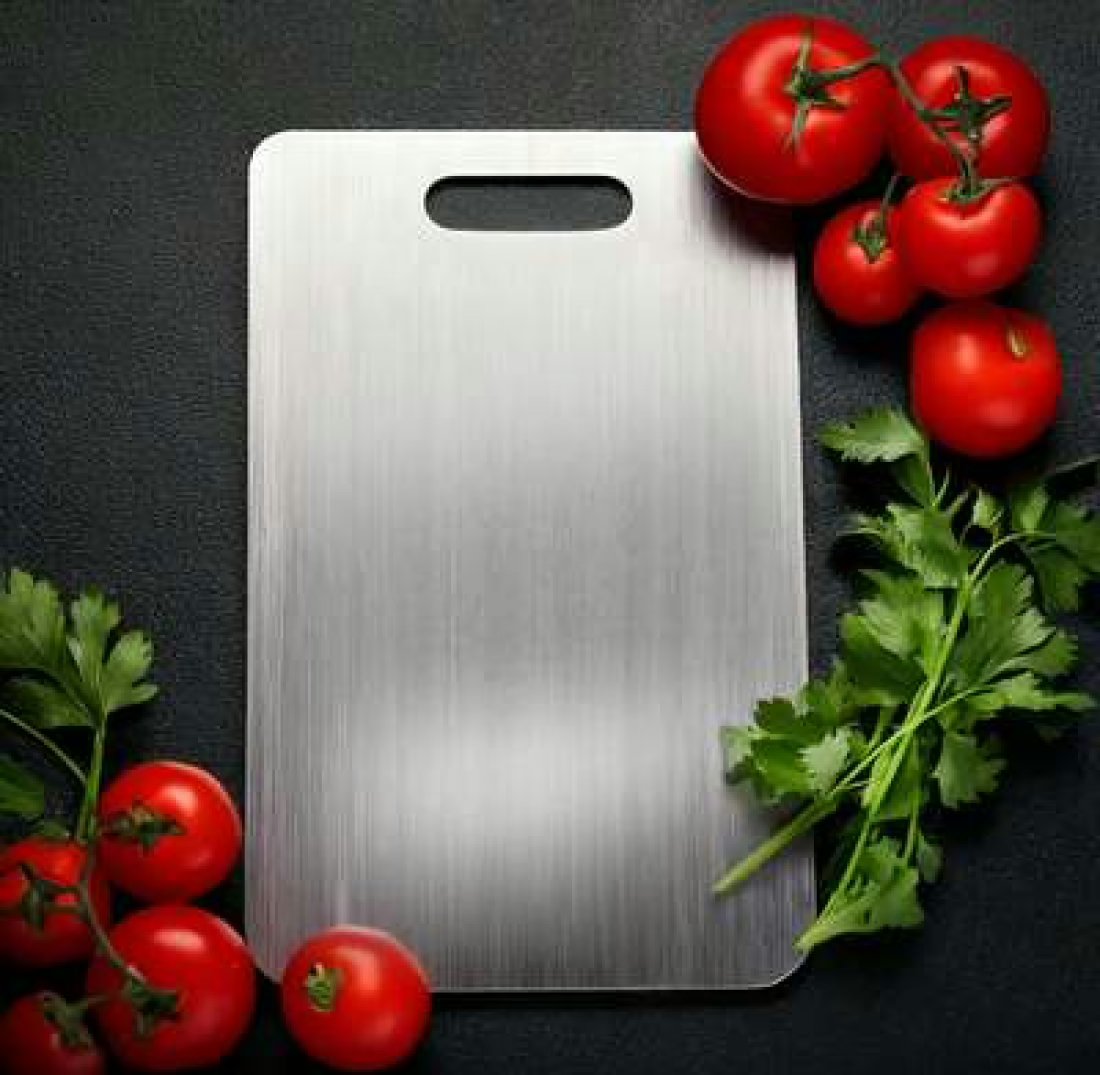
Katori is a cutting board made from 100% pure titanium, marketed as a modern alternative to traditional wooden and plastic cutting boards. The product is promoted as a hygienic, durable, and practical titanium cutting surface designed for everyday food preparation.
Katori focuses on a non-porous antibacterial surface, convenient cleaning, lifetime durability and a double-sided design intended for separating raw meats from produce to prevent cross-contamination.
Katori Titanium Cutting Board Review
The main appeal of Katori is its material and practical design. Instead of using a traditional wooden or plastic surface, the product is built around pure titanium construction and a smooth, non-porous surface that can be cleaned easily after food preparation.
For shoppers who prioritize easy cleanup, food safety, and a durable kitchen surface, these characteristics may be particularly attractive.
However, a smart buying decision should not depend only on advertising claims. The material, dimensions, current price, return policy and your expectations from a cutting board should all be considered.
Katori Features
- 100% pure titanium construction
- Non-porous antibacterial surface
- Designed for everyday food preparation
- Double-sided design for cross-contamination prevention
- Knife-friendly surface (preserves blade sharpness)
- Easy-to-clean, dishwasher-safe surface
- Lifetime durable construction (no warping, cracking, or staining)
- Microplastic-free (unlike plastic boards)
- Modern kitchen-friendly design
- USDA-compliant for food safety
- 30-day money-back guarantee
Why Are People Searching For Katori?
Many shoppers researching Katori are already considering a purchase. Instead of searching only for the product name, consumers often look for reviews, legitimacy, complaints, pricing and value.
Common searches include Katori Reviews, Katori Titanium Cutting Board Reviews, Is Katori Legit, Best Titanium Cutting Board, Katori Complaints, Titanium Cutting Board vs Plastic, and Is Katori Worth It.
Is Katori Legit?
Yes. Katori is presented online as a commercially available titanium cutting board sold through official channels. The product has a 4.7 star rating from 1,894 verified reviews, indicating legitimate customer feedback and satisfaction.
Before purchasing, shoppers should verify the current seller, product specifications, total checkout price, shipping information and refund terms.
The Problem With Traditional Cutting Boards
Plastic Boards: Studies show families consume the equivalent of 10 credit cards in plastic annually, much of it from cutting boards that shed 1,000+ microplastic particles per cut. Plastic also stains permanently, absorbs odors, and warps within 2-3 years.
Wooden Boards: Wood harbors bacteria in deep grooves even after washing. Requires monthly oiling, careful drying, and can never go in the dishwasher. Even quality wood warps in 5-8 years.
Stainless Steel Boards: Steel dulls knife blades 444+ points faster than other materials in testing and produces unpleasant metallic clanking at 70 dB.
How Katori Solves These Problems
Zero Microplastics: Titanium is a solid, non-degradable metal that never sheds particles into food. 20+ years of daily cutting with zero contamination.
Antibacterial Surface: Unlike wood and plastic, bacteria cannot penetrate the non-porous titanium surface. Even after cutting raw chicken, a water rinse fully sanitizes. USDA-compliant for commercial kitchens.
Knife-Friendly: Titanium is softer than glass and stainless steel, preserving blade sharpness 5-10x longer. No more frequent sharpening cycles.
Dual-Sided Design: Side 1 for raw meats and proteins. Side 2 for vegetables, bread, and produce. Complete cross-contamination prevention without needing multiple boards.
Lifetime Durability: Titanium does not warp, crack, stain, or degrade. Works identically in year 1 and year 20.
Katori vs. Traditional Cutting Boards
Katori vs. Plastic: Plastic boards release microplastics into food with every cut and need replacing every 2-3 years. Katori is solid titanium with zero degradation and lasts a lifetime.
Katori vs. Wood: Wood harbors bacteria in grooves and requires monthly oiling. Katori’s non-porous surface prevents bacterial growth completely and needs no maintenance.
Katori vs. Stainless Steel: Stainless steel destroys knife blades and produces loud metallic noise. Titanium is softer and quieter.
Katori Reviews And Customer Feedback
Product-related reviews commonly highlight the design, cleaning convenience, antibacterial properties and lifetime durability of Katori.
Common positive feedback includes customers reporting easier cleanup than wooden boards, knives staying sharp longer, no lingering food odors, and the board looking brand new after months of heavy use.
Professional chefs have also reported that Katori performs well under heavy commercial kitchen use and meets USDA compliance standards.
At the same time, opinions about titanium cutting boards can vary. Some consumers appreciate durability and easy cleaning, while others prefer the feel and characteristics of traditional wooden or plastic cutting boards.
Katori Pros And Cons
Potential Advantages
- Pure titanium – zero microplastics unlike plastic boards
- Antibacterial non-porous surface prevents bacterial growth
- Lifetime durability – never warps, cracks, or stains
- Knife-friendly design preserves blade sharpness 5-10x longer
- Dishwasher safe with minimal maintenance
- Double-sided design eliminates cross-contamination risk
- Easy-clean surface (water rinse removes all residue)
- USDA-compliant for commercial kitchen use
- Professional chef-approved
- Modern appearance
Things To Consider
- Price may be higher than basic plastic cutting boards
- Metal surface produces slightly louder chopping sound (65-70 dB)
- Titanium shows surface scratches over time (normal wear, not failure)
- Promotional pricing can change
- Shipping and return conditions should be checked
- Individual preferences for cutting surfaces vary
- Not ideal for those who strongly prefer wood texture
Katori Price And Value
The current price of Katori typically ranges from $120-150 depending on the promotion, quantity selected and location.
Cost of Ownership Over 20 Years:
- Katori: $120 one-time = $6/year. Zero replacements. Zero maintenance.
- Plastic boards: $20 each, replace 6-10 times = $120-200 total. Plus health risk from microplastics.
- Wooden boards: $60-80 each, replace 2-3 times + oiling costs = $200-400 total.
Over 20 years, Katori costs the same or less than replacements but with zero microplastics, superior hygiene, and lifetime durability.
Is Katori Worth It?
Katori may be worth considering if you want zero microplastics in your family’s food, lifetime durability without replacements, superior food safety and hygiene, knives that stay sharp longer, minimal maintenance, and modern kitchen aesthetics.
If your priority is the lowest possible upfront price, you strongly prefer conventional wooden cutting-board materials, or you already have cutting boards you enjoy, another option may be a better match.
Who Should Consider Katori?
- Health-conscious families wanting to eliminate microplastics
- Professional chefs and commercial kitchens
- Busy parents who want minimal maintenance
- Knife enthusiasts who want to preserve blade sharpness
- People looking for a one-time lifetime investment
Who May Want To Think Twice?
- People on a strict budget looking for the cheapest option
- Those who strongly prefer the feel of traditional wood
- Anyone already satisfied with their current cutting boards
Katori Review: Final Verdict
After considering the product positioning, features, customer feedback and common buyer questions, Katori stands out as a premium alternative for people researching titanium cutting boards.
Its main appeal is the combination of pure titanium construction, antibacterial non-porous surface, knife-friendly design, lifetime durability and superior food safety compared to plastic, wooden or stainless steel boards.
The investment pays for itself over 20 years through eliminated replacement costs, not counting the health benefits of avoiding microplastics in food.
Rating: 4.7/5 stars (1,894 verified customer reviews)
Frequently Asked Questions About Katori
What is Katori?
Katori is a 100% pure titanium cutting board marketed as an alternative to traditional wooden and plastic cutting boards. It features a non-porous, antibacterial surface designed for lifetime use.
Is Katori legit?
Yes. Katori is marketed and sold online as a commercially available cutting board with 4.7 star rating from 1,894 verified reviews. Buyers should verify the current seller, price, shipping and return terms before purchasing.
Is Katori worth it?
Yes, for most buyers. Katori costs $120-150 upfront but lasts forever. Over 20 years, you spend $6/year versus $60-120/year replacing plastic or wooden boards. Plus zero microplastics in your food.
How much does Katori cost?
Katori typically costs $120-150 depending on current promotions, quantity and location. Check the current offer for the final price.
Does Katori dull knives?
No. Titanium is knife-friendly, softer than stainless steel, glass or ceramic. Katori preserves blade sharpness 5-10x longer than hard surfaces.
Is Katori antibacterial?
Yes. Katori’s non-porous titanium surface naturally resists bacteria. Unlike wood or plastic where bacteria penetrate grooves, Katori prevents bacterial colonization completely.
Is Katori microplastic-free?
Yes. Titanium is a solid, non-degradable metal. Unlike plastic boards that shed 1,000+ microplastic particles per cut, Katori never degrades.
Is Katori dishwasher safe?
Yes. Katori is 100% dishwasher safe, even in commercial high-heat cycles. No warping, discoloration or degradation.
Are there Katori complaints?
Some users note the metal surface produces a louder chopping sound than wood. Surface scratches can appear over time, which is normal wear. Overall satisfaction remains high at 4.7 stars.
Where can I buy Katori?
Katori is sold online. Before purchasing, verify that you are using the intended official or authorized sales channel and review the current checkout terms.
What is Katori’s guarantee?
Katori offers a 30-day money-back guarantee. If you are not completely satisfied, you can return it for a full refund, no questions asked.
Before You Buy Katori
- Check the current product price and any promotional discounts
- Review shipping and delivery information
- Check the current discount or bundle offer
- Read the refund and return policy
- Verify the final checkout total
Check The Current Katori Offer
If you have already researched Katori reviews and are comparing the price and features, checking the current offer is the next logical step.
Review the current Katori offer and product details before making your purchase decision.